
Enjoying a good glass of wine transcends social, cultural, and gender barriers, as wine is practically accessible to everyone. Well, perhaps accessible to almost everyone, since, as we know, the consumption of wine, and alcohol in general, is not permitted in countries with strict religious norms.
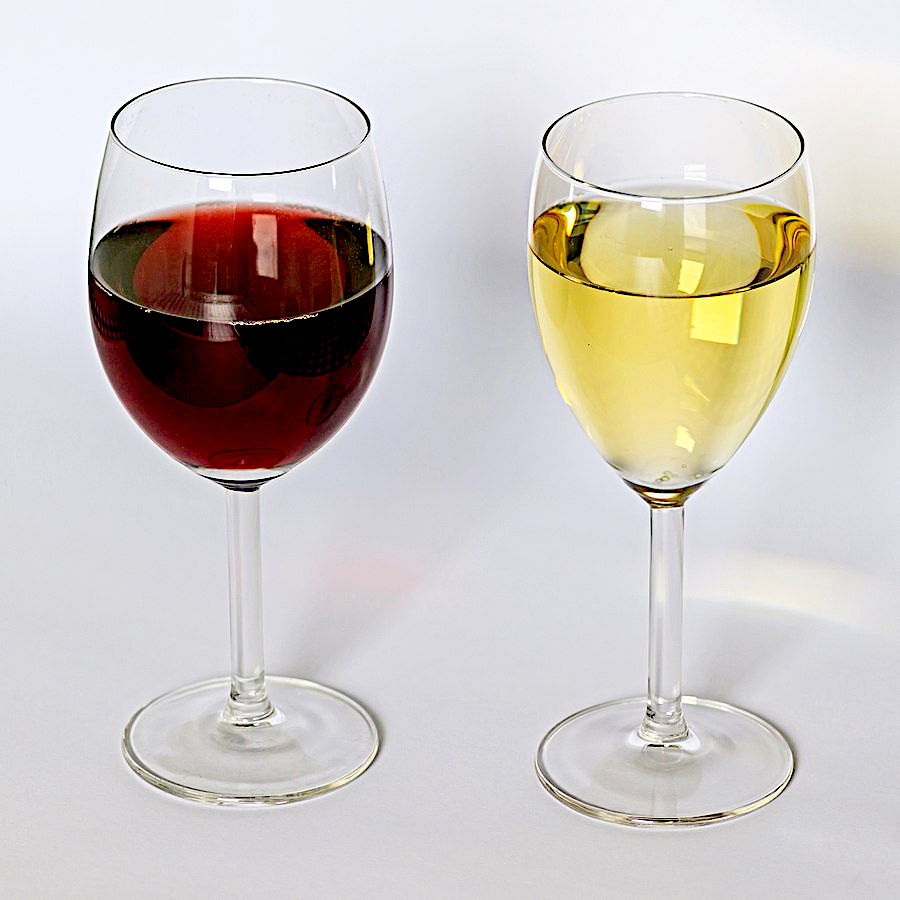
In any case, if you’ve reached this page, it’s quite likely you’ve explored a variety of red and white wines, but do you really know the distinctions between them beyond their color? Although color is the most obvious difference between red and white wine, there are other aspects that contribute to their uniqueness. In this article, we’ll delve into the key differences between red and white wine.
Types of Grapes Used
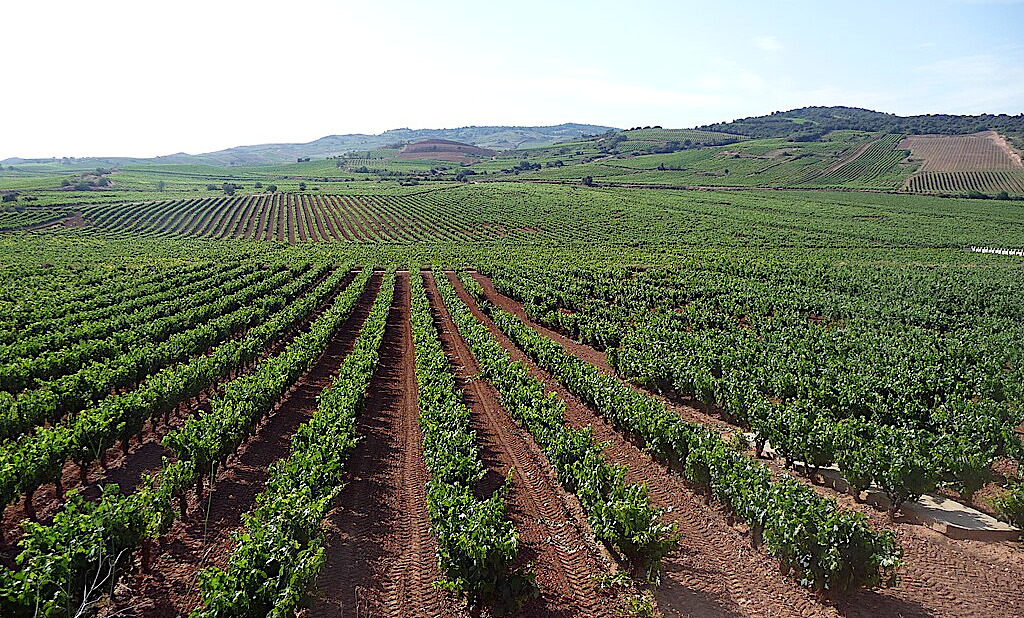
Red wine, with its intense flavor and distinctive aroma, has a rich and diverse history in different cultures. Its production process begins with the crushing of red or black grapes, including the skins, stems, and seeds, which initiates the fermentation that will result in red wine. In the production of red wine, whole grapes are used, minimizing waste.
On the other hand, white wine is primarily produced from white grapes, although it can also be made with dark or red grapes. Before fermentation, the skins, seeds, and stems are removed from the grapes to extract only the juice.
Fermentation Process
During winemaking, the grapes are crushed to obtain must, and then the maceration process begins, either before or after fermentation.
In the case of red wines, maceration allows the skins to impart color, tannic structure, and flavor to the wine. The longer the skins remain in contact with the must, the more intense the red wine’s color will be, thanks to the phenolic compounds.
White wines, on the other hand, are pressed after crushing the grapes, extracting only the liquid. They are fermented at lower temperatures to preserve their freshness and reduce the concentration of tannins in the final product.
Flavor Profile
Red wine, aged for extended periods, develops a higher concentration of tannins, which gives it a refined flavor and texture over time. Tannins give red wine its characteristic dry, dense texture, along with its complex flavor profile.
On the other hand, white wines typically have a clean, refreshing taste, with floral and citrus aromas. While they can exhibit richer flavors, reminiscent of nuts or even butter, they lack the characteristic tannic presence of reds. Instead, they have a more pronounced acidity, which provides a crisp and vibrant taste.
These are the main differences in flavor profiles and winemaking processes that clearly distinguish red and white wine, offering a unique experience in every glass.
In the world of wine, red and white have their own stories. Red, with its intensity and tannins, is like a well-aged classic, while white, with its freshness and acidity, is more like a light and refreshing comedy. Every sip is a unique experience in this exciting wine theater.