
If you’ve ever looked at a bottle of Spanish wine and come across terms such as DO, DOCa, or names like Ribera del Duero, Rías Baixas, or Rioja, you’ve probably wondered what they actually mean. Do they indicate quality? Do they refer to where the wine comes from? Do they really help you choose a better bottle?
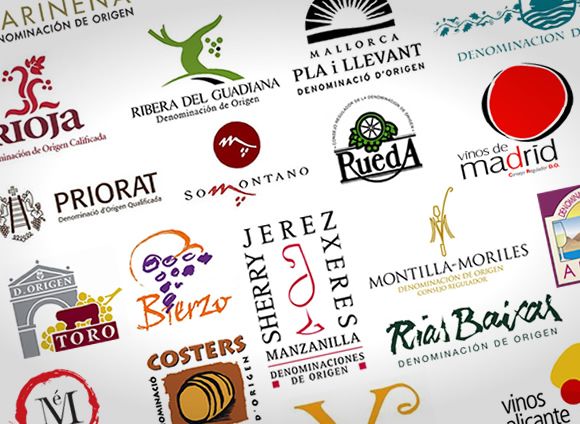
The short answer is yes: Denomination of Origin is one of the most useful tools for understanding Spanish wine and buying with more confidence. It doesn’t explain everything — grape variety, producer style, and vintage also matter — but it does provide a solid foundation for knowing where the wine comes from, what rules it must follow, and what kind of profile you can expect in the glass.
In this guide, we’ll look clearly and without unnecessary jargon at what a Denomination of Origin is, how it works in Spain, the differences between DO, DOCa and IGP, and how to use this information to choose wine more effectively.
What Is a Denomination of Origin?
A Denomination of Origin (DO) is a protection and quality-control system that identifies wines produced in a specific geographical area and made according to a defined set of rules.
Put simply, when a wine belongs to a DO, it is not only saying “I come from here”, but also “I have been made under specific regulations” related to aspects such as:
- the production area
- authorized grape varieties
- maximum yields per hectare
- viticultural and winemaking practices
- quality and control requirements before the wine reaches the market
The purpose of this system is to protect the link between territory, tradition, and wine style, while also giving consumers a reliable point of reference.
What Is the Purpose of a DO in Spanish Wine?
The Denomination of Origin serves several important functions, both for producers and for consumers.
1. It Identifies the Wine’s Origin
The first function is geographical. A DO indicates that the grapes come from a specific area and that the wine has been produced within that regulated framework. A red wine from Ribera del Duero is not the same as one from Toro, even if they share certain grape varieties or geographical proximity: climate, soils, rules, and the general style of each region can be very different.
2. It Establishes Minimum Standards
Each denomination has its own set of specifications or regulations that define the rules of the game: which grapes can be used, which practices are allowed, the minimum alcohol level, acceptable yields, and what aging categories are recognized.
This doesn’t mean that all wines from a DO are the same, but it does mean that there is a shared framework.
3. It Provides a Style Reference
Although it’s not an absolute guarantee of personal taste, a DO usually offers useful clues about the wine’s general profile. For example:
- Rías Baixas is usually associated with fresh Atlantic white wines and a strong presence of Albariño.
- Ribera del Duero often suggests Tempranillo-based reds with structure, ripe fruit, and frequent oak aging.
- Jerez-Xérès-Sherry refers to fortified wines aged biologically or oxidatively — a completely different world.
4. It Protects the Value of the Territory
A DO also protects producers in a region against misuse of the name and helps preserve the prestige of historic wine areas. Not just anyone can put “Rioja” or “Priorat” on a label if the wine does not meet the requirements of that denomination.
How Spain’s Wine Quality System Works
Spain organizes its wines into different quality and origin categories. Not all of them have the same level of strictness or the same connection to the land, so it’s worth understanding the basic structure.
Table Wine
This is the most general category. These are wines that are not protected under a specific geographical indication or that, by the producer’s choice, are marketed without being part of a denomination. That doesn’t necessarily mean they are bad; it simply means they are not subject to the DO or IGP framework.
Vino de la Tierra / IGP
The Protected Geographical Indication (IGP) — traditionally known in many cases as Vino de la Tierra — is a middle category. It also identifies a geographical origin, but usually with more flexible rules than a DO.
It can be a very interesting option because it gives producers more freedom, both in grape varieties and winemaking style. In some cases, highly personal or innovative wines are released under IGP precisely because they do not fully fit the regulations of a DO.
Denomination of Origin (DO)
This is the best-known category in Spanish wine. It requires a clear relationship between the wine and its place of origin, as well as stricter technical rules and quality controls than an IGP.
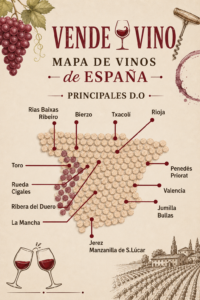
When we talk about regions such as Rueda, Ribera del Duero, Rías Baixas, Toro, Montsant, or Jumilla, we are generally talking about Denominations of Origin.
Qualified Denomination of Origin (DOCa)
This is a higher category reserved for denominations with a long-established reputation and even stricter requirements. In Spain, the best-known examples are Rioja and Priorat (the latter with the equivalent Catalan designation DOQ).
That doesn’t automatically mean that every wine from a DOCa is better than every wine from a DO, but it does mean that the denomination as a whole operates under a particularly high level of recognition and control.
What Exactly Does a Denomination of Origin Regulate?
Each DO has its own rules, but they usually regulate several key elements.
1. The Geographical Area
It defines where the grapes can be grown and where the wine must be made. Territory matters because it influences climate, altitude, soils, and therefore the character of the wine.
2. Authorized Grape Varieties
Not all grapes are allowed in every denomination. Some DOs clearly revolve around one main variety, while others allow several.
For example, one area may focus on Tempranillo, another on Albariño, another on Verdejo, and another on broader blends.
3. Maximum Yields
The rules establish how much fruit can be produced per hectare. In general, the higher the yield, the harder it is to achieve concentration and quality, so this point is key to the final style of the wine.
4. Winemaking Practices
The regulations may cover fermentation, aging, minimum alcohol level, permitted wine styles, or bottling conditions.
5. Quality Controls
Before reaching the market, wines usually undergo analytical and organoleptic controls to ensure they meet the denomination’s standards.
DO Does Not Mean All Wines Are the Same
This is one of the most important points to avoid oversimplifying things.
A DO is not a guarantee that you will like every wine it covers, nor does it automatically make every bottle a great purchase. Within the same denomination, you may find:
- young and fresh wines
- single-vineyard or very limited-production wines
- classic styles and modern styles
- large commercial wineries and small artisanal projects
- simple bottles and high-end wines
A DO provides context and a degree of reassurance, but the final quality also depends on the producer, the vintage, the wine’s range, and the winemaking style.
So What’s the Difference Between DO and Actual Quality?
Denomination of Origin is a useful tool, not an absolute verdict.
What a DO Does Tell You
- where the wine comes from
- what regulatory framework it follows
- which grape varieties or styles are typical in that area
- what general identity you can expect
What It Does Not Guarantee on Its Own
- that the wine is excellent
- that it matches your taste
- that it offers good value for money
- that it is better than a wine outside a DO or under IGP
There are outstanding wines within the most famous DOs, but there are also very interesting wines outside them. Sometimes producers prefer to work with more freedom and not fit into a specific denomination.
How to Read a Spanish Wine Label Using the DO to Your Advantage
When you have a bottle in front of you, you can follow this simple mental checklist:
1. Look at the Denomination
Check whether it says DO, DOCa, or IGP. That already gives you a first clue about origin.
2. Look for the Grape Variety
Not all bottles display it prominently, but when it appears it helps a lot in anticipating the wine’s profile. Tempranillo, Garnacha, Mencía, and Albariño do not speak the same language in the glass.
3. Check the Aging Category If There Is One
Terms such as Joven, Crianza, Reserva, or Gran Reserva can give you clues about the wine’s aging time and style, although they should always be interpreted with nuance.
4. Pay Attention to the Vintage
In many Spanish wines, especially reds and age-worthy wines, the harvest year can be relevant.
5. Look at Who Made It
The winery matters a lot. Two wines from the same DO, same grape, and same aging category can be completely different if they are made by producers with different philosophies.
Practical Examples: What a DO Suggests Before You Open the Bottle
Let’s look at a few simplified examples to understand how denomination can help when buying wine:
If You See “Rías Baixas”
You can generally expect an Atlantic-style Galician white wine, usually fresh, with lively acidity, citrus or stone-fruit notes, and a strong presence of Albariño.
If You See “Ribera del Duero”
You’re most likely looking at a Castilian red based on Tempranillo, with more structure, concentration, and often some oak influence, especially if it also carries an aging category.
If You See “Rueda”
You’ll probably find a Verdejo-based white wine or an aromatic, fresh, easy-drinking style, although there is plenty of diversity within the denomination.
If You See “Jerez”
Then you’re no longer in the world of standard still wine, but in the realm of fortified wines: fino, manzanilla, amontillado, oloroso… with their own aging system and identity.
The DO doesn’t tell you the whole story, but it does help you avoid buying completely blind.
Common Mistakes When Interpreting a Denomination of Origin
Thinking a Famous DO Is Always Better
Not necessarily. The best-known denominations produce great wines, but also very commercial labels. Less famous regions can offer excellent wines at highly competitive prices.
Believing All Wines from the Same DO Taste Similar
They share a regulatory framework and a certain territorial identity, but the differences between wineries, vineyards, and styles can be huge.
Ignoring the DO and Looking Only at Price
Price can be useful, but denomination often gives you a much better clue about the type of wine you’re buying.
Assuming a Wine Without DO Is Worse
That’s not true either. There are excellent wines without DO or under IGP. The key is understanding what each category brings, not using it as an automatic judgment.
How to Use the DO to Buy Better Spanish Wine
If you’re just getting started or simply want to reduce the margin of error when choosing a bottle, this is a practical way to use denomination in your favor:
If You Don’t Know the Winery, Start with the Region
Think about what style you’re in the mood for and use the DO as a compass:
- if you want a fresh, vibrant white, an Atlantic region may be a good place to start
- if you want a fuller-bodied red with oak aging, a Castilian red-wine denomination may suit you better
- if you’re in the mood for Mediterranean wines, look at regions known for Garnacha or Monastrell
Combine DO + Grape + Aging
That combination usually tells you much more than price alone. For example, a young Rioja Tempranillo is not the same as a Crianza Tempranillo from Ribera del Duero, even though both are prestigious Spanish reds.
Use Denomination as a Starting Point, Not the Final Goal
The best way to learn about wine is not to memorize acronyms, but to taste, compare, and discover which regions and styles work best for you.
In Summary: Why Denomination of Origin Matters
Denomination of Origin is one of the most useful tools for navigating Spanish wine because it connects three essential things:
- the place the wine comes from
- the rules under which it was made
- a reasonable expectation of style
It does not make a bottle great on its own, nor does it replace the importance of the producer, grape variety, or vintage. But it does provide context, reduce uncertainty, and help you buy with more confidence.
If you’re starting to explore Spanish wine, understanding what a DO means is one of the smartest steps you can take. From there, everything becomes easier: reading labels, comparing regions, discovering grapes, and above all, choosing the right bottle for the right moment.
Frequently Asked Questions About Denomination of Origin in Spain
Does a DO guarantee that a wine is good?
Not absolutely. It guarantees origin and compliance with certain rules, but final quality also depends on the winery, vintage, vineyard, and winemaking style.
Which is better: DO or DOCa?
In theory, DOCa implies a higher level of recognition and stricter standards within the system. Even so, that doesn’t mean every DOCa wine will appeal to you more than a good DO wine.
Is a wine without DO worse?
Not necessarily. It may be a very good wine produced outside a denomination or under a more flexible category such as IGP.
Does the Denomination of Origin tell you which grapes are in the wine?
Sometimes indirectly, because each DO authorizes certain grape varieties. Even so, it’s still worth checking the label to see whether the grape or blend is specified.
Is DO useful when buying wine online?
Absolutely. When you can’t taste the wine or ask questions in a shop, denomination helps filter styles, regions, and expectations before you buy.
Conclusion
Understanding Denomination of Origin is not about memorizing an endless list of acronyms, but about learning to read a wine bottle more intelligently. A DO helps you place the wine on the map, anticipate its style, and distinguish between different options when facing a shelf or an online wine store.
And that is ultimately the biggest advantage: buying less blindly and enjoying every bottle more.