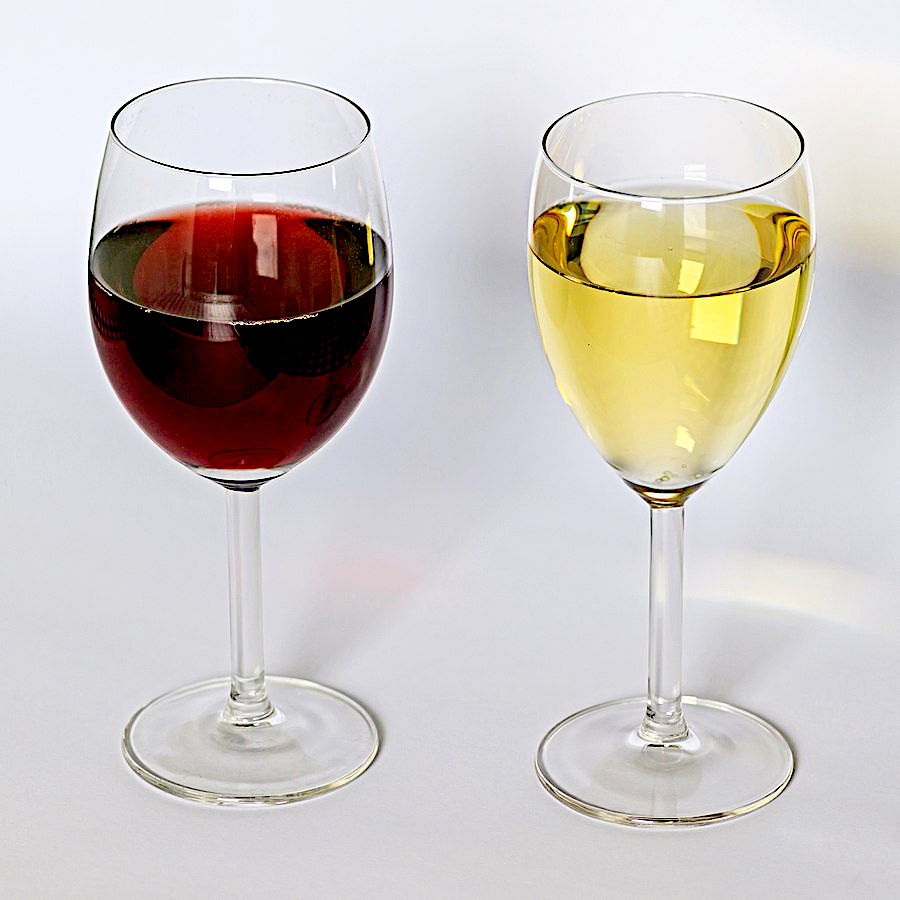

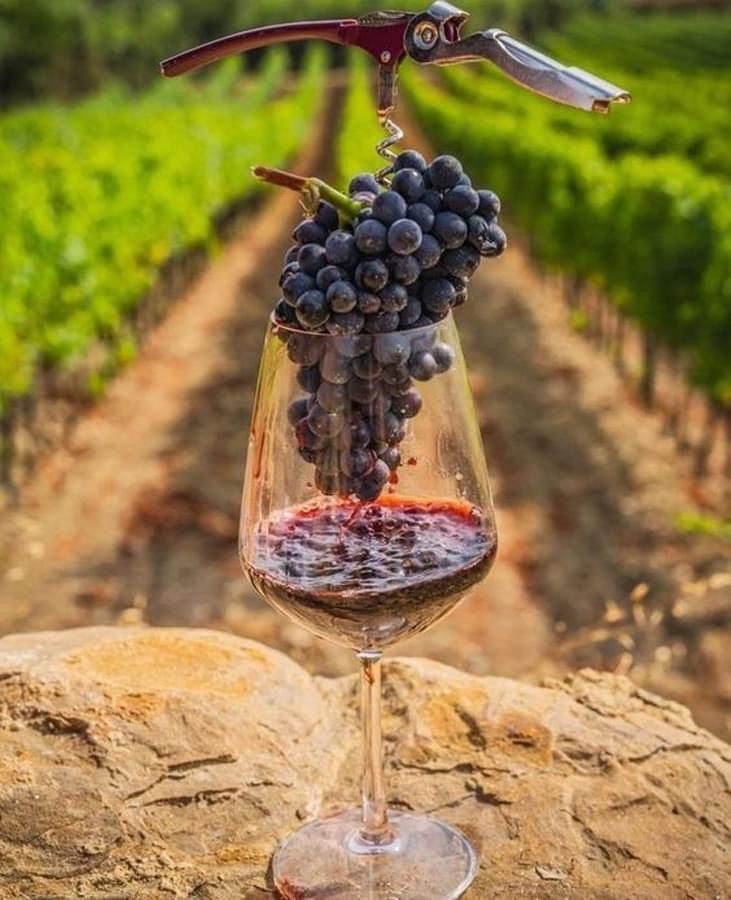
Drinking a glass of wine is easy. Understanding how it gets there… not so much.
Behind every bottle there is a carefully crafted process that begins in the vineyard and ends with aging and bottling. In this article, we explain in a simple way how grapes are transformed into wine.
1. Harvesting: The Most Important Moment
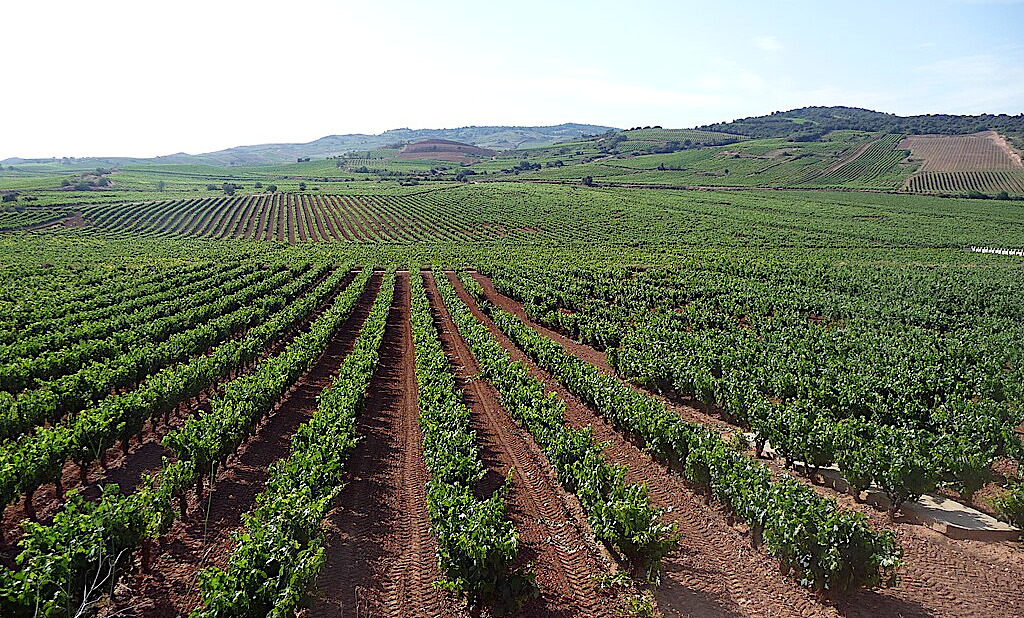
Everything starts with the harvest, the moment when the grapes are picked.
Choosing the perfect time is essential because it determines:
- Sugar levels
- Acidity
- Aromatic profile
In regions such as Ribera del Duero, harvesting usually takes place between September and October, depending on the climate each year.
2. Destemming and Crushing
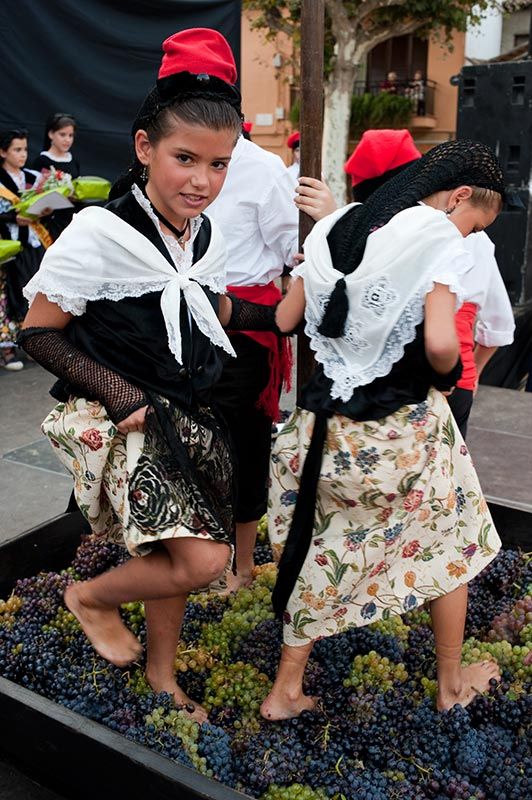
Once the grapes are collected, the berries are separated from the stems in a process called destemming.
After that, the grapes are gently crushed to release the juice, known as must.
This step is important because it:
- Prevents bitter flavors
- Prepares the juice for fermentation
3. Fermentation: Where Wine Is Born
This is where the magic happens.
Yeast transforms the natural sugars in the grape juice into alcohol. This process is known as alcoholic fermentation.
For red wines, the juice also stays in contact with the grape skins, allowing the extraction of:
- Color
- Aromas
- Tannins
This process can last from several days to a few weeks.
4. Pressing
After fermentation, the liquid is separated from the solid parts of the grapes.
Pressing helps produce:
- Cleaner wine
- Greater stability
Different wines use different levels of pressure because this directly affects the final result.
5. Aging: Time and Patience
Many wines go through an aging process that can take place in:
- Oak barrels
- Bottles
During this stage, the wine:
- Develops greater complexity
- Creates new aromas and flavors
- Becomes smoother and more balanced
In regions such as Ribera del Duero, aging is a key element in defining the wine’s style and personality.
6. Bottling
Finally, the wine may be filtered and then bottled.
From this point, the wine can:
- Be consumed immediately
- Continue evolving inside the bottle
Conclusion
Wine is much more than just a drink. It is the result of a natural and technical process that combines tradition, science, patience, and craftsmanship.
The next time you enjoy a glass of wine, remember the journey behind it — from the vineyard to your table.
References (APA Format)
Franco-Navarro, J. D. (2016). Chloride nutrition: Impact in plant development and water relations. ResearchGate.
Universidad de Valladolid. (n.d.). Studies on viticulture and enology in Castilla y León. UVaDOC.
International Organisation of Vine and Wine (OIV). (2021). Manual of oenological practices. OIV.
Jackson, R. S. (2014). Wine Science: Principles and Applications (4th ed.). Academic Press.