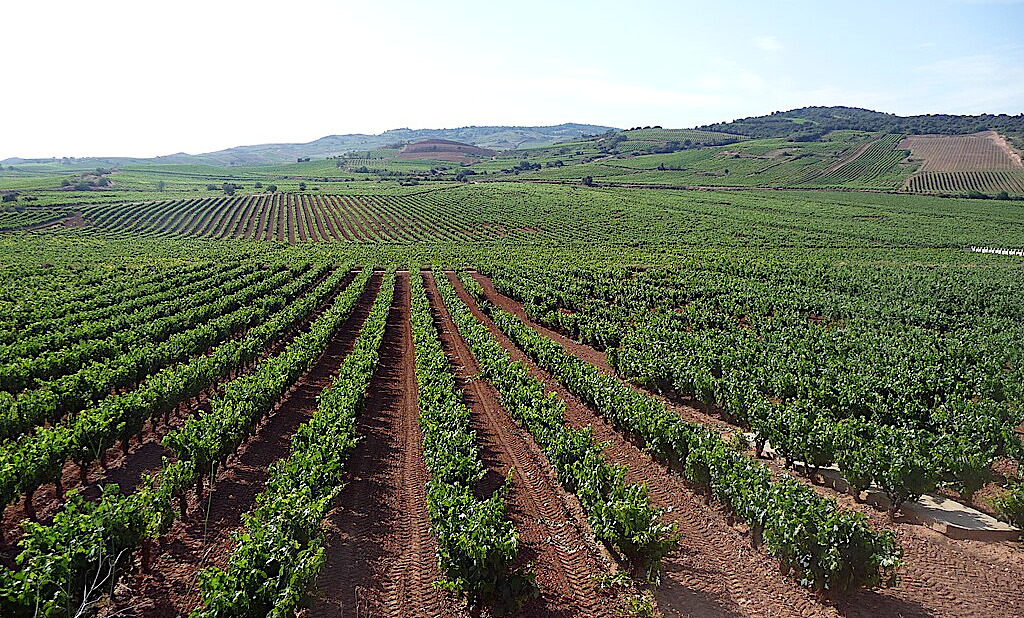

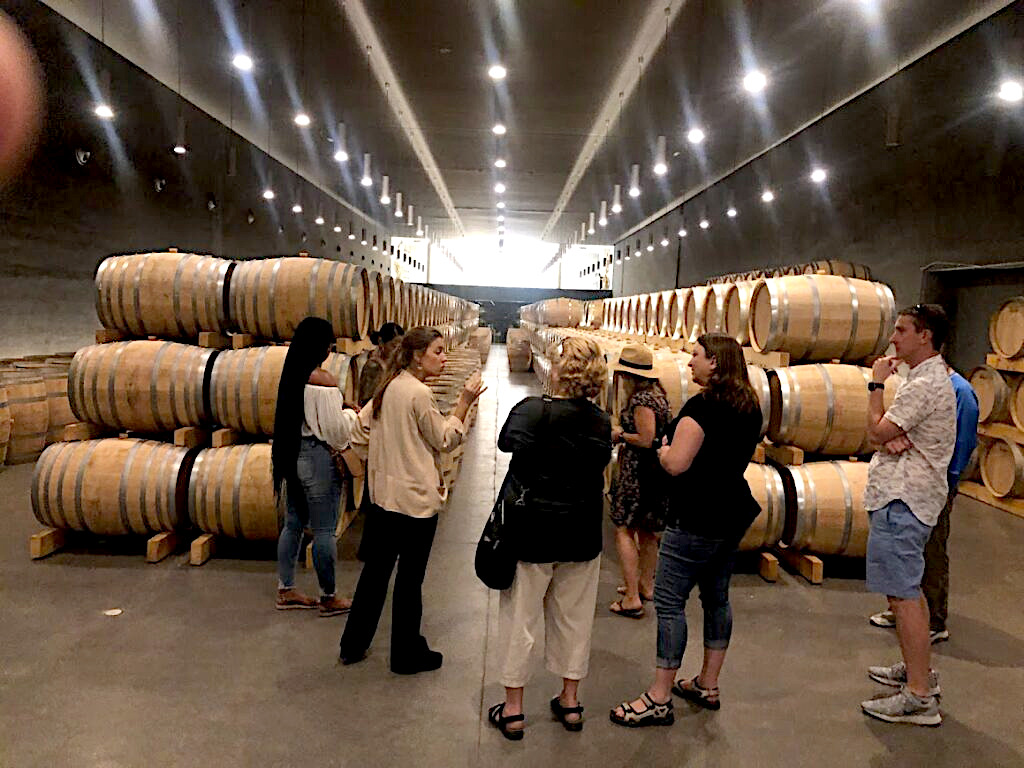
Wine has played a fundamental role in the history of the Iberian Peninsula since antiquity, influencing daily life, the economy, and cultural traditions.
Wine in Roman Hispania
The history of wine in Hispania begins with the Phoenician and Greek colonization, who brought grape cultivation and winemaking techniques. The Romans continued this tradition, consolidating viticulture as one of the key economic activities in their provinces.
During Roman rule, Hispania became one of the largest wine producers in the Empire. The most important wine regions were located in what is now Catalonia, La Rioja, Andalusia, and Castile-La Mancha. Hispanic wine, known as Vinum Hispanicum, was highly valued in Rome, and large quantities were exported. In fact, the Hispanic amphorae found in the ruins of Pompeii attest to the commercial expansion of this product.
Wine was considered not just a beverage, but an essential element in Roman society: it accompanied banquets, religious ceremonies, and commercial transactions. It was so valued that it was used as currency in some cases, and in the Ebro Valley regions, it became a significant source of wealth.
The Middle Ages and the Consolidation of Viticulture
With the fall of the Roman Empire, wine production declined, but medieval monasteries became guardians of winemaking knowledge. The monks continued cultivating vines and perfecting winemaking techniques. During the Reconquista, wine regained its cultural and economic importance, and vineyard cultivation expanded as Christian rule advanced across the Iberian Peninsula.
In the 13th century, the economic impact of wine was recognized in cities like Jerez, where the production of the famous Jerez wine, or sherry, developed—a beverage that conquered European palates. In fact, for centuries it was one of the most exported wines from Spain to England and the rest of Europe.
During the reign of Charles I of Spain and V of the Holy Roman Empire, Sherry wine became popular in European courts. Charles V was a great enthusiast of this wine, and it was thanks to him that Jerez began to gain international renown. It is said that after the victory at the Battle of Pavia (1525), Charles V toasted with Sherry wine to celebrate the capture of the King of France.
William Shakespeare was also a fan of Spanish wine. In several of his plays, “sherry-sack” wine, a variant of Sherry, is mentioned. He even went so far as to say in Henry IV that Falstaff, his beloved character, “lived on bread and Sherry,” demonstrating the cultural impact of Spanish wine even beyond its borders.
Wine and the Expansion in the Americas
With the arrival of the Spanish in the Americas, wine also crossed the Atlantic. Vine cultivation and wine production became established in various regions of the New World, particularly in Mexico, Chile, and Argentina.
The first vineyard on American soil was planted by order of Hernán Cortés in 1524, giving rise to a thriving industry that still defines much of the wine culture in Latin America today.
A Symbol of Spanish Culture
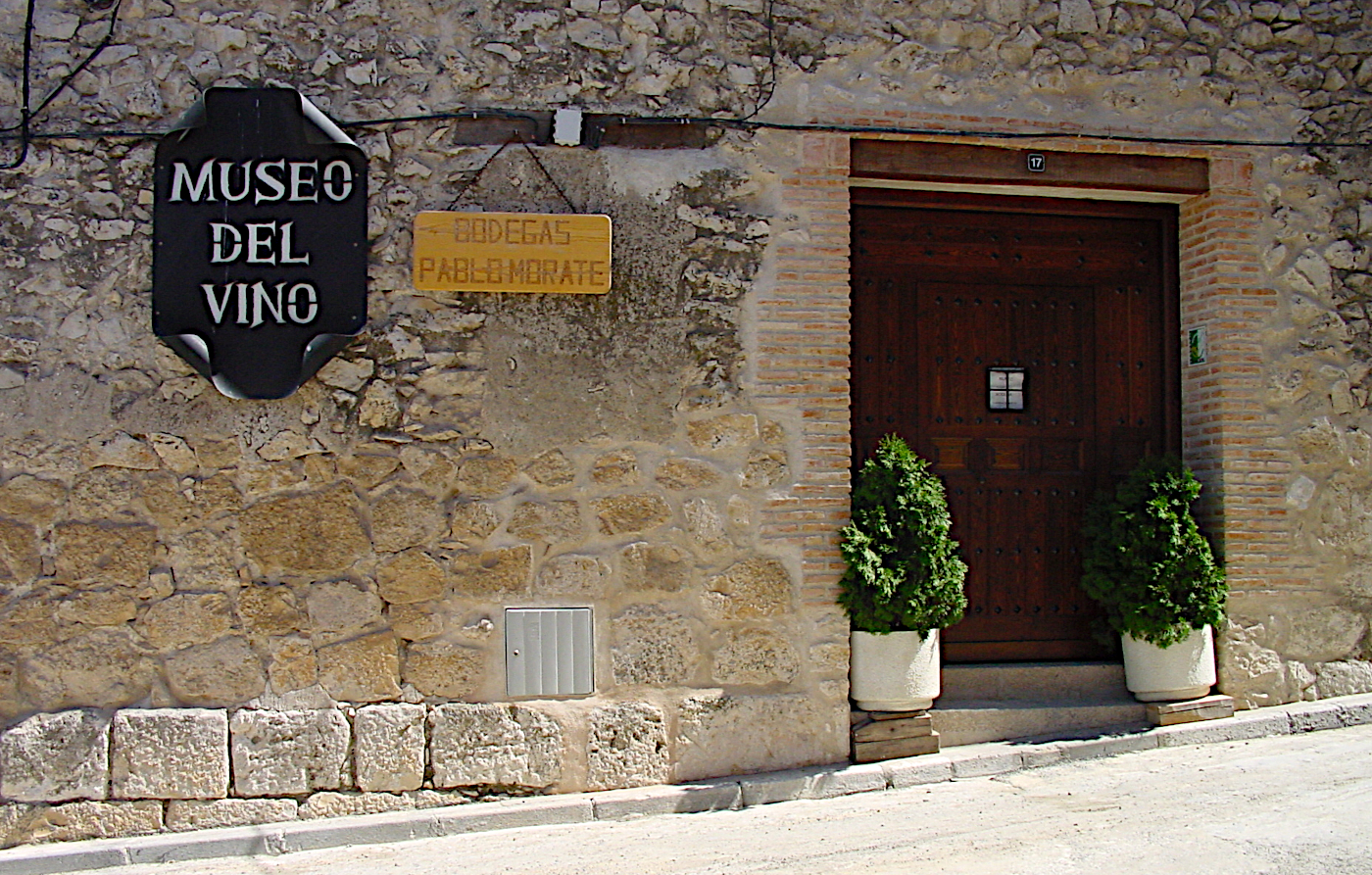
Wine continues to be a symbol of Hispanic culture, present in literature, art, and popular traditions. Spain has more than 70 designations of origin that preserve the winemaking tradition in regions such as La Rioja, Ribera del Duero, and Jerez de la Frontera, world-renowned for the quality of their wines, and which contribute to the Hispanic gastronomic heritage.
From harvest festivals to tapas and social gatherings, wine has been a faithful companion in social and cultural life. It is not just a beverage, but an element that has woven into the history and character of the Iberian Peninsula.
Source:
Hispanopedia – Wine in Hispanic History and Culture (Original Entry)